Business Name: BeeHive Homes of Grain Valley
Address: 101 SW Cross Creek Dr, Grain Valley, MO 64029
Phone: (816) 867-0515
BeeHive Homes of Grain Valley
At BeeHive Homes of Grain Valley, Missouri, we offer the finest memory care and assisted living experience available in a cozy, comfortable homelike setting. Each of our residents has their own spacious room with an ADA approved bathroom and shower. We prepare and serve delicious home-cooked meals every day. We maintain a small, friendly elderly care community. We provide regular activities that our residents find fun and contribute to their health and well-being. Our staff is attentive and caring and provides assistance with daily activities to our senior living residents in a loving and respectful manner. We invite you to tour and experience our assisted living home and feel the difference.
101 SW Cross Creek Dr, Grain Valley, MO 64029
Business Hours
Monday thru Saturday: Open 24 hours
Facebook: https://www.facebook.com/BeeHiveGV
Instagram: https://www.instagram.com/beehivegrainvalley/
Families rarely prepare these choices much beforehand. More frequently, a fall, a new medical diagnosis, or the slow creep of caretaker burnout brings the question to the table: should we consider assisted living, or can we arrange at home senior treatment and maintain Mama where she is? I have rested BeeHive Homes of Grain Valley memory care with dozens of households at that crossroads. The right choice depends less on an abstract choice and more on concrete facts, like the shower room design, medicine complexity, evening roaming, and the state of the family members's stamina and budget.
What complies with is a grounded comparison, attracted from real instances and the type of trade-offs individuals only identify once they remain in the thick of it. There is no one-size response. There are, however, patterns, expense arrays, and indication that assistance you make a decision with eyes open.
What "assisted living" really offers, and what it does n'thtmlplcehlder 6end. Assisted Living areas are designed for older grownups that require assist with everyday tasks however do not need the consistent medical oversight of a nursing home. In method, that suggests aid with showering, clothing, brushing, toileting, and medicine management, plus dishes, housekeeping, and tasks. Many communities personnel with caretakers and med technologies around the clock, with a registered nurse on website or on call. The apartment or condo is private, usually a workshop or one-bedroom, with an available shower room and emergency draw cords. The culture varies extensively. Some seem like a vibrant condo with a service overlay. Others are quieter, with even more clinical undercurrents. There are limitations that family members occasionally miss during the excursion. Assisted living is not individually treatment. Staff-to-resident ratios could resemble one caretaker for 10 to 15 citizens during the day, stretching thinner at night. If your dad requires a person physically close to him to prevent drops every single time he stands, you will certainly either supplement with a private caretaker or think about a higher level of treatment. Medical care is helpful, not intense. The team will certainly collaborate with outside companies, but they are not an experienced nursing facility. If insulin dosing is complicated or the oxygen requirements are unsteady, the fit might wobble. The large benefit is predictability. Meals arrive whether you shop or not. The shower is roll-in and the water temperature regulated. Somebody is awake at 2 a.m. if an alarm system seems. Social get in touch with occurs without an automobile adventure. Families often report that the concern dial turns down a couple of notches, even if the very first month is bumpy. What in-home elderly treatment can do beautifully, and where it strains
In-home Senior Treatment covers from a few hours a week of buddy brows through to 24-hour protection. Nonmedical home treatment agencies send out caregivers that help with bathing, dressing, light housekeeping, dishes, transportation, and supervision. If your mother has solid psychological roots in her home, if a cherished pet dog rests at her feet, if the yard is her therapy, staying put may preserve regimens that support state of mind and function. For those with early memory loss, acquainted environments decrease anxiety and complication. For those recuperating from surgical procedure, home wellness services, which are medical and usually covered by insurance policy for a time, can layer in proficient nursing and therapy visits.
The anxiety factors appear with complexity and time. If needs are recurring, like two showers a week and a few trips to visits, in-home care shines. If needs are scattered across the day and night, the prices build up quick unless the household covers lots of hours themselves. Nighttime concerns, like sleeping disorders, roaming, and sundowning, change the calculus. An over night caregiver is a video game changer, yet paying for seven evenings a week at private-pay rates adds up to a mortgage-sized costs. Residences themselves can withstand the job: slim corridors, stairs without rail, a bathtub that requires a climb, throw rugs that release falls. Retrofitting can function wonders, yet some formats fight you.
Then there is the human factor. The best agencies strive at uniformity, yet caretakers live, health problems, and turn over. Even a secure situation typically includes replacements. Some seniors adjust. Others turn down the idea of a "unfamiliar person" in the house and screw up the plan. Family members commonly discover themselves as schedulers-in-chief, discussing insurance coverage, filling voids, and fielding final texts.
About the money: reasonable ranges and what drives them
Families deserve plain numbers. Prices vary by area, however the technicians correspond across the United States.
Assisted Living commonly bills a base monthly lease plus tiered care costs. In lots of markets, the base for a studio runs in between 3,500 and 5,500 bucks per month, with one-bedrooms climbing up from there. Treatment levels layer on 500 to 2,500 dollars or even more, relying on needs like assist with transfers, urinary incontinence, or medication administration. Memory Care, which is a guaranteed setup tailored to mental deterioration, frequently begins higher, commonly 6,000 to 9,000 bucks monthly, occasionally a lot more in major metro locations. Expect an in advance neighborhood cost, commonly equal to one month's lease or a level 2,000 to 5,000 dollars. Cord, phone, and in some cases individual washing might be added. The lift pitch is all-encompassing, however read the service plan. Escorts to meals, nighttime checks, or two-person transfers can add cost.
In-home care is typically billed hourly, with an usual agency minimum of 3 to 4 hours per check out. Per hour rates in several locations land in between 28 and 40 dollars for nonmedical treatment, greater in coastal cities. Live-in setups, where a caregiver rests on site, are billed by the day, typically 300 to 450 dollars, yet real 24-hour awake care is billed per hour, not as live-in, because no person can securely work around the clock. For a harsh budget, 8 hours a day, seven days a week at 32 dollars per hour has to do with 7,168 bucks monthly. Twenty-four-hour coverage can exceed 20,000 bucks regular monthly with agencies. Employing privately can be less expensive, but you become the company and handle payroll tax obligations, employees' compensation exposure, vetting, and back-up coverage.
Insurance helps in restricted methods. Medicare does not pay for long-term custodial care, whether in your home or in assisted living. It will cover recurring home health after a qualifying requirement, however that is time-limited and professional, not showering and cooking. Lasting care insurance policy, if acquired years ago, can support either establishing, though policies vary on daily advantage caps and elimination periods. Experts' Help and Presence can give several hundred to over a thousand dollars monthly for eligible experts and making it through partners. Medicaid can cover assisted living or at home solutions through waivers in many states, however accessibility depends upon both financial qualification and program ability. Waiting checklists are common. Before you presume help is difficult, ask a local aging services office or a reliable senior care expert to map what exists in your state.
Memory care for moms and dads: when mental deterioration alters the decision
Dementia is where the lines between settings issue. Households frequently ask whether to maintain a moms and dad at home with a buddy, or move to Memory Care. The solution depends upon safety and security, actions, and caretaker strain. At an early stage, a couple of hours a day of cueing and friendship in the house may be ideal. As signs and symptoms progress, 2 things typically push the decision: evening straying and unforeseeable habits. I have worked with households whose loved one switched on the stove at 3 a.m., walked out the front door, or came to be dubious and physically resistant to aid. In those situations, a Memory Treatment community supplies a guaranteed atmosphere with alarmed doors, staffing that expects habits and knows redirection strategies, and structured days that dampen agitation.
That stated, Memory Treatment is not a magic stick. The environment issues. Some neighborhoods are promoting in an excellent way, with silent rooms for unwinding. Others feel overwhelming. If your parent is a long-lasting autist, a tiny home-like setting, often called a property treatment home or board-and-care, can be gentler than a 60-apartment system. If Daddy still walks a mile a day and likes the yard, a fenced garden in the house may sustain him longer than a locked corridor. Be careful of the void in between advertising and method. Ask just how they deal with a homeowner who declines a shower, or one who packs a bag daily to "go to work." The solution tells you if staff are learnt mental deterioration care or winging it.
The lived experience: just how it really feels day to day
Numbers and solutions issue, yet every day life is more granular. Below are scenes I have actually seen play out.
A retired nurse, widowed, with mild Parkinson's and near-perfect exec function, transferred to aided living due to the fact that she was tired of the house job. She grew. She placed on 5 required extra pounds since she stopped avoiding lunch. She tackled the unofficial curator role in the community. The compromise she accepted was much less control over timing. Supper arrived at 5:15 p.m., not 7 p.m., and a different caretaker could aid on Tuesday than on Wednesday. She suched as the predictability helpful greater than the autonomy of being alone.
A couple in their late eighties wanted to stay at home. He had dementia, she did not. They attempted firm caretakers three days a week and loved two of the four that revolved. The third was adequate, the fourth had a perfume that set off migraines. They were happy, till he started waking at 2 a.m. consistently, triggering motion sensors and stunning her awake. They included overnight treatment two evenings a week. After a month, she admitted the various other five nights were damaging her sleep and heart rhythm. Relocating him to Memory Care allowed her to be his wife and advocate once again, not his worn down warden.
A son urged his mother would not leave her home. She fell in the bathroom. The bathtub had a 17-inch side, difficult to tip over safely despite grab bars. They mounted a walk-in shower and a handheld showerhead, plus an elevated commode seat with arms. A part-time caretaker came 4 mornings a week to aid with bathing and to prep meals for the day. They included a drug dispenser with timed alarms because her tablet count was a mess. It functioned, since her requirements were gathered in the morning and she rested in the evening. The investment in the washroom spent for itself compared to a move.
These are not universal outcomes, yet they highlight the hinge factors that matter: timing of demands, overnight actions, setting, and medicine complexity.
Safety, guidance, and error rates
Care has an error rate. That might appear harsh, but it is sincere. In assisted living, the most typical errors are hold-ups. Your mom presses a phone call necklace, and it takes 10 minutes for a person to get here due to the fact that an additional citizen dropped. The most awful occasions I have actually seen in assisted living usually include locals who needed even more supervision than the version can supply, like an unpredictable walker who insists on going alone to the restroom after midnight. Supplementing with personal one-to-one care inside the community is an alternative, but it adds cost.
At home, the mistakes typically include inconsistency. A caretaker might not show up on time, leaving your dad alone longer than planned. A family member could presume the agency caregiver managed the noon pills when the job was no longer on the treatment strategy. The physical atmosphere adds, as well. A rosy-cheeked home can hide difficult sides, like scatter carpets, low illumination, and staircases without any contrasting tape on the brink. You can lower these dangers through basic repairs. Light up hallways at night with motion-sensing lights. Remove carpets or tape them down. Set up a shower chair, not simply order bars. Include a bed alarm system if straying is a threat, yet consider whether it will certainly alarm and create a fall. Adjust interventions to the person.
Social life: isolation, excitement, and control
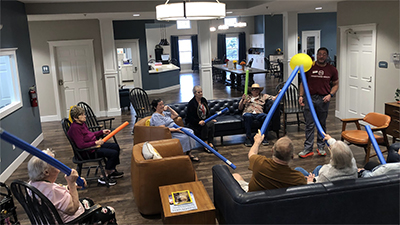
Social get in touch with underpins wellness. Assisted living areas supply an immediate neighborhood. The calendar generally consists of exercise courses, songs, talks, crafts, and outings. Whether your moms and dad participates is an additional tale. Some sign up with everything. Others avoid group tasks and still gain from casual communications in hallways and dining rooms. Seclusion is possible in any kind of setting, however it is harder to be entirely alone in assisted living if meals are shared.
At home, social life needs logistics. For seniors who drive safely or have family members nearby, it can be rich. For those that gave up the car and reside in a rural dead end, days can stretch thin. Seniors who claim they like home occasionally mean they favor control. Think about crossbreed options: adult day programs a couple of days a week, church groups that organize experiences, or a companion caretaker known for attracting individuals out. If your mother was the one that constantly held Thanksgiving, losing that function can strike identity hard. Welcome her to maintain duties, scaled to energy. Ask her to be "chief cup" for a family members dish night or host a tea with a neighbor and the caretaker sustaining in the kitchen.
The family members caretaker's bandwidth
Care strategies live or pass away on the power of household caregivers. I have seen adult kids construct routines worthy of an air website traffic controller, just to stress out by month 3. Be straightforward regarding who will certainly do what, when, and for for how long. If you are the only youngster around and you also have a full time job and 2 teens, a strategy that relies upon you covering most nights will break down. It is not a moral failing, it is math.
Respite matters. Helped living and Memory Treatment can work as respite, even if the lasting plan is home. A brief stay of two to 4 weeks after a hospitalization allows the senior reclaim strength while you collect yourself and change your house. Some assisted living communities supply provided break spaces. Insurance coverage rarely spends for this, however the moderate costs over the month-to-month price can be worth it for the lift it provides the family system.
Red flags that suggest you should lean one means or the other
Here is a brief, functional list of tipping-point signs, collected from years of analyses and household meetings.
- Consider assisted living or Memory Treatment if requirements are constant throughout the day and night, if two-person transfers are called for, if wandering has actually occurred, or if caregiving is revolving among worn down relative with no relief in sight. Consider in-home care if help is gathered at foreseeable times, if the home can be made safe with modest modifications, if a partner or grown-up child lives close-by and agrees to collaborate, and if regimens at home assistance wellness more than a step would.
If you are still stuck, attempt a time-limited experiment. Commit to 60 days of enhanced at home assistance, with a clear timetable and contingency plan if evenings end up being dangerous. Or test an assisted living break stay, with a scheduled right to return home if it does not fit. Decisions feel lighter when you are not claiming they are forever.
Costs past cash: autonomy, identification, and friction
Every selection spends, not just bucks. Transferring to assisted living spends some freedom. Meal times are set, and there is a flatmate down the hall that plays the TV a little loud. Staying home spends power and uncertainty. If a caretaker no-shows, you clamber. If Mommy declines a shower for 5 days, you may come to be the crook. It is common for grown-up youngsters to project their own choices. Time out and ask your moms and dad what issues most everyday. Some will certainly claim privacy. Others will certainly say safety and security. A few will surprise you with wit. One papa informed me, Park me where the coffee is hot and the paper arrives previously 7 a.m. That, he said, is civilization.
Consider the shift prices. Relocations are hard, however they are additionally finite. The first 2 weeks in assisted living can be rocky as new routines resolve. At home treatment has a slower burn. The frictions are smaller however duplicated: scheduling, secrets, directions left on the counter, introductions to brand-new caregivers.
How to vet quality: concerns that disclose the truth
Tours and pamphlets inform part of the tale. Straight questions, asked without apology, disclose more.
- At an assisted living or Memory Care area, inquire about overnight staffing numbers, the ordinary response time to pendant calls, and exactly how frequently treatment plans are updated. Satisfy the nurse, not simply the sales supervisor. Ask for examples of just how they took care of an autumn last week and a local that refused medications. Consume a dish in the dining room and view exactly how staff talk to citizens. Stand near the elevators at shift change, not just during the excursion hour. For in-home care, ask the firm about back-up protection, just how they manage a late or missing caretaker, and whether you fulfill the caregiver prior to the first change. Clarify who trains on the treatment plan and exactly how adjustments are connected. Confirm their workers are W-2 employees covered by workers' payment. If they suggest live-in treatment, ask how many uninterrupted hours the caretaker will certainly sleep and that covers throughout those hours if your parent requires help.
You are not being difficult. You are doing due persistance for Senior citizen Care.
The grandfather clause of assisted living for a parent at a distance
Adult youngsters who live away deal with added stress. If you are a two-hour flight from your mom, at home care requires a regional point person, paid or household. Helped living can give the oversight you can not deliver from afar, but it is still worth arranging a neighborhood supporter. Think about hiring a care manager, often called a senior citizen care supervisor or aging life treatment expert, for routine check-ins and to attend treatment strategy conferences. A month-to-month report with photos and notes is gold when you can not go down in.
Distance also influences emergencies. If your papa remains in aided living, a fall sets off a call from the nurse, and they organize the hospital transfer. If he goes to home with a caregiver, the firm trains for emergency situations, however the caregiver may be alone and rattled. Both scenarios can work. The distinction is who coordinates in the first disorderly hour.
Building a sensible budget plan and timeline
Most family members underestimate 2 things: how much time the need will last and exactly how quickly costs can escalate with complexity. Map a base case and a stretch case. If the base case is 2 years at 6,000 bucks monthly for assisted living, ask what takes place if it ends up being four years with memory treatment fees pressing the total to 8,500 dollars. If the home treatment base instance is 30 hours a week, price 60 and 80 hours. If the numbers break the strategy, bring that right into the open. Often selling a home previously rather than later funds much better care and lowers danger. Often relocating with a relative functions well for a period, particularly if you can carve out actual break and personal privacy on both sides.
When to revisit the decision
Care strategies are living records. Triggers for reevaluation include a hospitalization, a new fall with injury, substantial weight-loss, boosted incontinence, or new habits like roaming, aggressiveness, or concealing medicines. On the household side, consider caregiver wellness. If the main spouse-caregiver's blood pressure spikes or the grown-up child's work goes to risk, that is a trigger too. Arrange official reviews. For helped living, attend quarterly care seminars and ask for information, not just perceptions. For home care, hold regular monthly check-ins with the agency supervisor and the caregiver, even if it's working out. Little training course improvements very early stop crises.
A brief story of a pivot done well
A child called after her mommy, a former teacher with advancing Alzheimer's, started losing her dentures and accusing the postman of burglary. She lived alone on a quiet road. They began with day-to-day afternoon at home care, the window when sundowning hit hardest. The caregiver was a retired art specialist that brought watercolors and music. It benefited 4 months. After that night straying started. They added an overnight caretaker 3 evenings a week, however the sleep disruption on off evenings left her mother worn down and the child nervous. After a household meeting, they set up a break month in Memory Treatment. The team coaxed her right into a rhythm with acquainted songs from her teaching years and an early morning strolling club. The child saw most nights, commonly signing up with the group for a puzzle. After 3 weeks, her mother quit asking to go home and started asking when the music started. They made the action long-term. The child's voice transformed, lighter. She stated, I can be the little girl again.
That arc is not global, however it is common enough to map a course: start with the least turbulent assistance, add framework as demands grow, shift settings when security and rest tip the scale.
Final ideas to assist a confident choice
You are choosing in between two good choices, each with friction. Helped living deals structure, social life, and 24-hour insurance coverage, at the expense of some freedom and a monthly fee that is considerable yet foreseeable. In-home elderly treatment preserves area, family pets, and rhythms, with costs that scale with need and a monitoring lots that remains on the family members's shoulders. Memory care for parents with dementia is a customized part, warranted when actions or safety and security overtake what a home can soak up or when the family's health and wellness goes to risk.
Start with the individual, not the setup. Listing what issues most to them in average language: warm coffee early, the feline on the bed, a safe shower, a person close by in the evening, a yard, a silent area. Develop outside from that. Stroll the mathematics, including the tired days and the 2 a.m. hours, not simply the bright mid-days. Ask blunt inquiries of service providers. Test, step, and adjust. Good Elder Treatment is not a solitary decision, it is a collection of prompt, gentle telephone calls made with clear eyes and constant hearts.
BeeHive Homes of Grain Valley provides assisted living care
BeeHive Homes of Grain Valley provides memory care services
BeeHive Homes of Grain Valley provides respite care services
BeeHive Homes of Grain Valley offers 24-hour support from professional caregivers
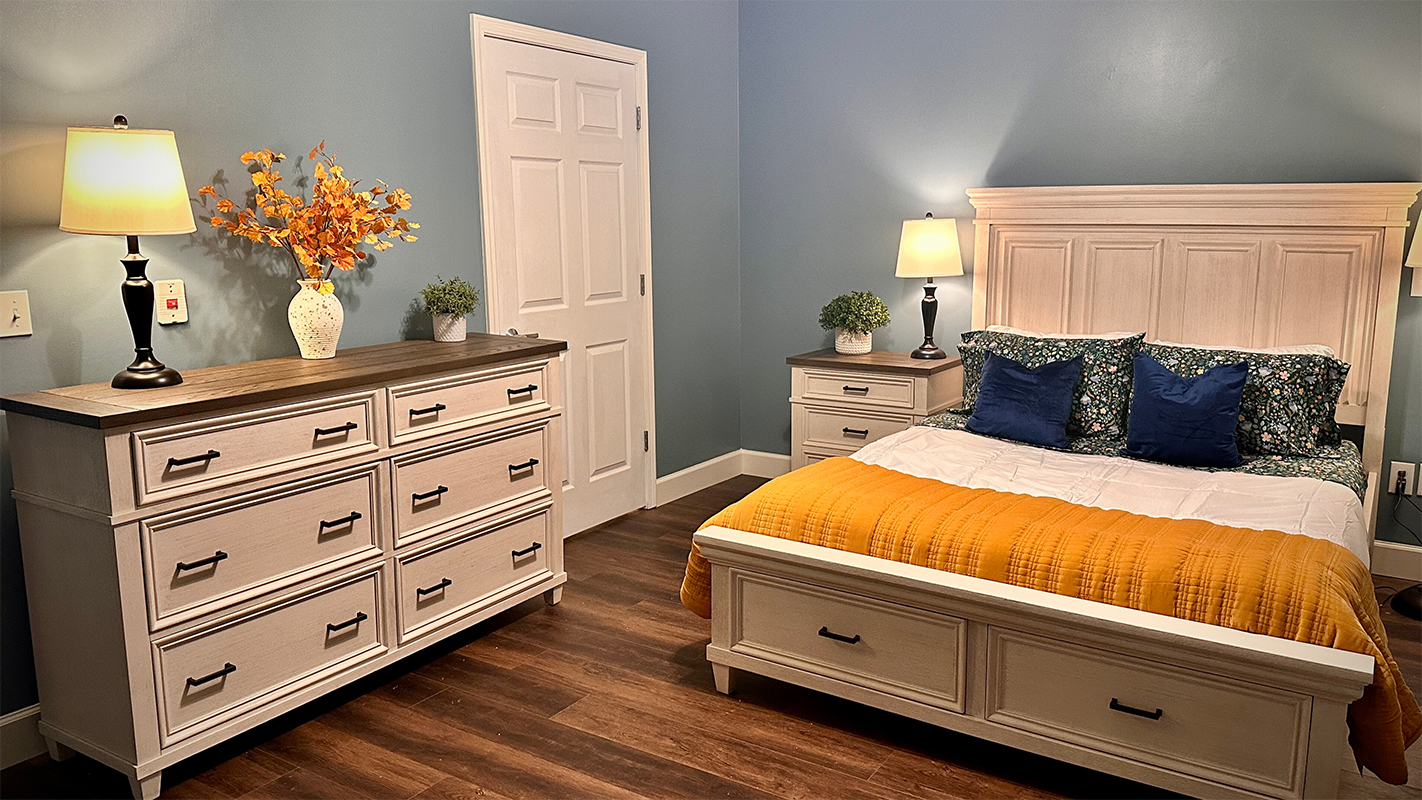
BeeHive Homes of Grain Valley offers private bedrooms with private bathrooms
BeeHive Homes of Grain Valley provides medication monitoring and documentation
BeeHive Homes of Grain Valley serves dietitian-approved meals
BeeHive Homes of Grain Valley provides housekeeping services
BeeHive Homes of Grain Valley provides laundry services
BeeHive Homes of Grain Valley offers community dining and social engagement activities
BeeHive Homes of Grain Valley features life enrichment activities
BeeHive Homes of Grain Valley supports personal care assistance during meals and daily routines
BeeHive Homes of Grain Valley promotes frequent physical and mental exercise opportunities
BeeHive Homes of Grain Valley provides a home-like residential environment
BeeHive Homes of Grain Valley creates customized care plans as residents’ needs change
BeeHive Homes of Grain Valley assesses individual resident care needs
BeeHive Homes of Grain Valley accepts private pay and long-term care insurance
BeeHive Homes of Grain Valley assists qualified veterans with Aid and Attendance benefits
BeeHive Homes of Grain Valley encourages meaningful resident-to-staff relationships
BeeHive Homes of Grain Valley delivers compassionate, attentive senior care focused on dignity and comfort
BeeHive Homes of Grain Valley has a phone number of (816) 867-0515
BeeHive Homes of Grain Valley has an address of 101 SW Cross Creek Dr, Grain Valley, MO 64029
BeeHive Homes of Grain Valley has a website https://beehivehomes.com/locations/grain-valley
BeeHive Homes of Grain Valley has Google Maps listing https://maps.app.goo.gl/TiYmMm7xbd1UsG8r6
BeeHive Homes of Grain Valley has Facebook page https://www.facebook.com/BeeHiveGV
BeeHive Homes of Grain Valley has an Instagram page https://www.instagram.com/beehivegrainvalley/
BeeHive Homes of Grain Valley won Top Assisted Living Homes 2025
BeeHive Homes of Grain Valley earned Best Customer Service Award 2024
BeeHive Homes of Grain Valley placed 1st for Senior Living Communities 2025
People Also Ask about BeeHive Homes of Grain Valley
What is BeeHive Homes of Grain Valley monthly room rate?
The rate depends on the level of care needed and the size of the room you select. We conduct an initial evaluation for each potential resident to determine the required level of care. The monthly rate ranges from $5,900 to $7,800, depending on the care required and the room size selected. All cares are included in this range. There are no hidden costs or fees
Can residents stay in BeeHive Homes of Grain Valley until the end of their life?
Usually yes. There are exceptions, such as when there are safety issues with the resident, or they need 24 hour skilled nursing services
Does BeeHive Homes of Grain Valley have a nurse on staff?
A consulting nurse practitioner visits once per week for rounds, and a registered nurse is onsite for a minimum of 8 hours per week. If further nursing services are needed, a doctor can order home health to come into the home
What are BeeHive Homes of Grain Valley's visiting hours?
The BeeHive in Grain Valley is our residents' home, and although we are here to ensure safety and assist with daily activities there are no restrictions on visiting hours. Please come and visit whenever it is convenient for you
Do we have couple’s rooms available?
Yes, each home has rooms designed to accommodate couples. Please ask about the availability of these rooms
Where is BeeHive Homes of Grain Valley located?
BeeHive Homes of Grain Valley is conveniently located at 101 SW Cross Creek Dr, Grain Valley, MO 64029. You can easily find directions on Google Maps or call at (816) 867-0515 Monday through Sunday Open 24 hours
How can I contact BeeHive Homes of Grain Valley?
You can contact BeeHive Homes of Grain Valley by phone at: (816) 867-0515, visit their website at https://beehivehomes.com/locations/grain-valley,or connect on social media via Facebook or Instagram
Conveniently located near Beehive Homes of Grain Valley B&B Grain Valley Marketplace 8 & GS has a great movie theater with full food & drink menu. Catch a movie and enjoy some great food while you wait.